linux
-
Server

MolSynk: A High-Performance, Zero-Dependency IMAP Migration Tool Written in Go
As a cloud and hosting support professional, I have managed countless email migrations. If you’ve ever been in the trenches of a server move, you know the primary bottleneck isn’t just the data volume—it’s the tools. For years, we relied on legacy scripts that required complex Perl modules or specific Python environments like mailsync. On a minimal CentOS 7 or…
Read More » -
Devops

Linux Performance Analysis 2.0: Transitioning from Legacy CLI Tools to eBPF for Deep System Observability
For decades, Linux systems administrators and SREs have relied on a trusty toolkit of command-line utilities. Commands like top, ps, iostat, and netstat are muscle memory for anyone who has ever needed to debug a slow server. However, as architectures shift toward microservices and containers, and as hardware becomes faster, these legacy tools are showing their age. They are often…
Read More » -
Devops

Github Actions VS Gitlab CI/CD
In today’s fast-paced software development landscape, the goal of DevOps culture is to help software companies gain a competitive advantage and align with agile methodologies. This involves testing and deploying code changes in small, manageable increments, allowing development teams to deliver new features and fixes more reliably and efficiently. To achieve this, some of the best-practice CI/CD architectures widely adopted…
Read More » -
Server
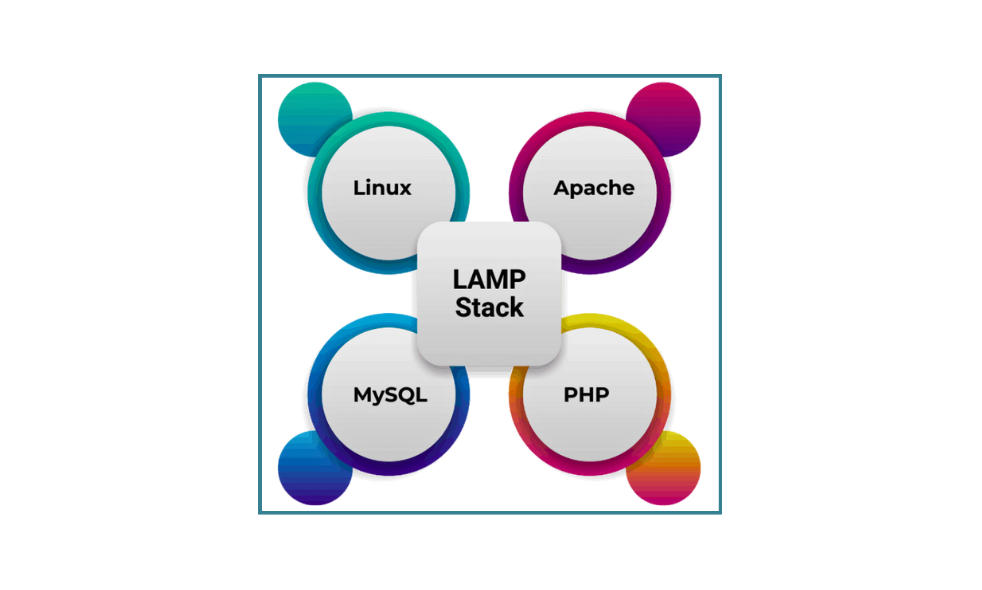
How to Set Up a LAMP Stack Server
In this guide, we will walk through the step-by-step installation of the LAMP Stack, a powerful combination of open-source technologies that powers countless websites and web applications. The name LAMP comes from the four core components it uses: Linux – The operating system foundation Apache – The web server software MySQL/MariaDB – The database management system PHP – The server-side…
Read More » -
Security

Recovering Root Password in Red Hat Enterprise Linux (RHEL)
In some cases, the root password in Red Hat Enterprise Linux (RHEL) may be forgotten, or it might be changed by unauthorized access, preventing you from logging into the system. In such situations, you need to reset the root password. To start the recovery process, reboot your RHEL system. Step 1: Reboot the System and Access the GRUB Menu When…
Read More »